A Culinary Journey Through Kyoto: Exploring Kais...
Kyoto, the ancient capital of Japan, is a city steeped in history, culture, and exquisite cuisine. Beyond the stunning temples and serene gardens lies a culinary landscape that offers a unique window into the soul of Japan. For discerning travelers seeking authentic and luxurious experiences, two distinct dining styles stand out: kaiseki, a multi-course haute cuisine, and shojin ryori, a refined Buddhist vegetarian cuisine. Both showcase the artistry, seasonal ingredients, and profound respect for nature that define Japanese gastronomy, offering an unforgettable Kyoto kaiseki dining experience.
Kaiseki: A Symphony of Flavors and Seasons
Kaiseki is often considered the epitome of Japanese fine dining. It's more than just a meal; it's an art form, a carefully choreographed experience that engages all the senses. The essence of kaiseki lies in its unwavering commitment to seasonality, with each dish showcasing the freshest, most flavorful ingredients available at that particular time of year. This dedication to seasonal ingredients transforms the menu dramatically with each passing season.
The Essence of Seasonality
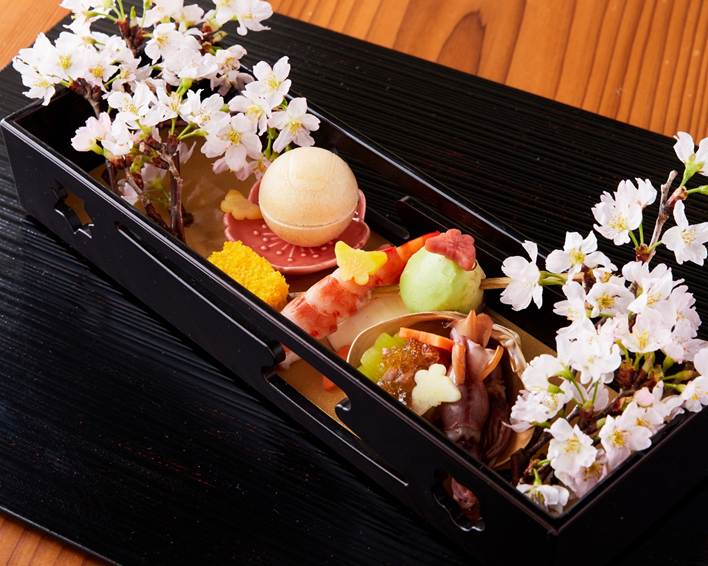
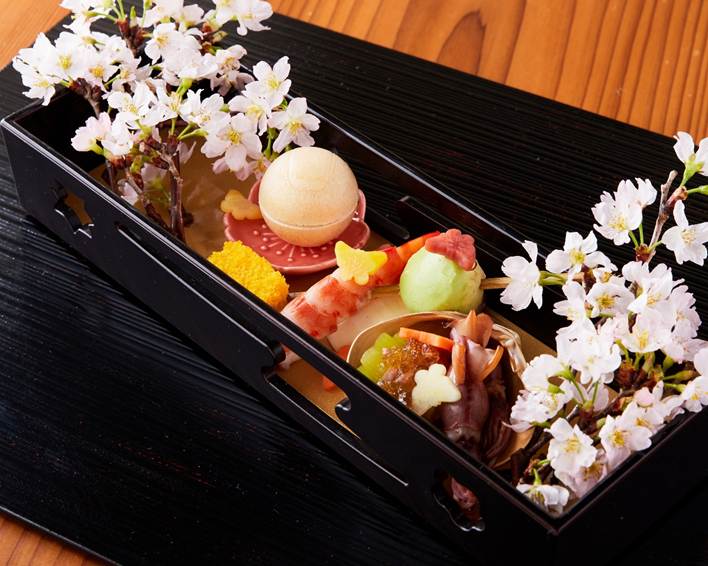
Spring in Kyoto brings forth a bounty of delicate flavors. Imagine savoring tender bamboo shoots, the subtle sweetness of sakura blossoms, and the earthy notes of fava beans. These ingredients, at their peak of freshness, are transformed into culinary masterpieces.
Summer's warmth yields refreshing ingredients like ayu sweetfish, with its delicate, slightly bitter flavor, along with juicy eggplant and crisp cucumber, perfect for cleansing the palate.
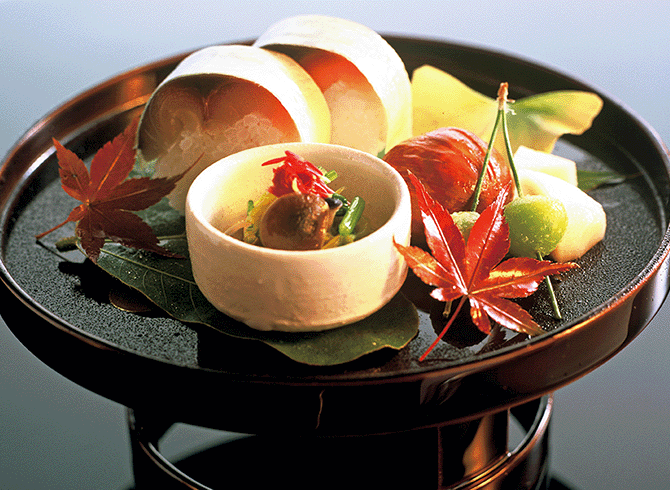
As autumn arrives, the culinary landscape shifts to richer, more robust flavors. The coveted matsutake mushrooms take center stage, their earthy aroma filling the air. Sweet persimmon and hearty chestnuts add a touch of warmth and comfort.
Winter's chill brings forth the richness of the sea and the earth. Buri yellowtail, with its buttery texture and intense flavor, becomes a prized delicacy. The fragrant yuzu citrus adds a bright, zesty note, while hearty root vegetables provide warmth and sustenance.
Kikunoi: A Kaiseki Masterpiece
For an unparalleled kaiseki experience, Kikunoi is a name synonymous with excellence. This renowned restaurant, a testament to Kyoto's culinary heritage, offers a truly immersive experience. Known for exceptional quality, making securing a Kikunoi kaiseki reservation a high priority for many gourmands.
The Umami and Artistry of Kaiseki
Kaiseki is characterized by its emphasis on umami, the savory fifth taste that elevates the flavors of each ingredient. The chefs at Kikunoi expertly balance sweet, sour, salty, and bitter elements to create a harmonious and unforgettable dining experience. The visual presentation is equally important, with each dish meticulously arranged to showcase the artistry and care taken in its creation.
The Multi-Course Journey
A traditional kaiseki meal unfolds as a series of meticulously crafted courses, each designed to complement the others. The typical order might include:
- Sakizuke: An appetizer, often featuring seasonal delicacies.
- Hassun: A tray showcasing the season's bounty in miniature form (see video concept below).
- Mukozuke: Sliced seasonal sashimi.
- Takiawase: A simmered dish, highlighting the harmony of flavors.
- Futamono: A lidded dish, often a soup or steamed course.
- Yakimono: A grilled dish, showcasing the natural flavors of the ingredients.
- Su-zakana: A palate cleanser, often featuring vinegar.
- Shokuji: Rice, pickles, and miso soup.
- Mizumono: Dessert, often featuring seasonal fruits.
Shojin Ryori: A Buddhist Vegetarian Culinary Tradition
In contrast to the richness of kaiseki, shojin ryori offers a different, yet equally profound, culinary experience. Rooted in Buddhist principles, this vegetarian cuisine is a testament to simplicity, purity, and respect for all living things.
Purity and Simplicity
Shojin ryori is strictly vegetarian, excluding meat, fish, and strong flavors like garlic and onion. The emphasis is on using vegetables, tofu, and other plant-based ingredients to create flavorful and satisfying meals.
Shigetsu: A Temple of Vegetarian Delights
Located within the serene grounds of Tenryu-ji Temple, a World Heritage Site, Shigetsu offers an authentic shojin ryori experience. Dining in this tranquil setting adds another layer of depth to the meal, fostering a sense of peace and mindfulness. A visit to Shigetsu enhances the Tenryu-ji Temple dining experience greatly.
Creative Use of Plant-Based Ingredients
Shojin ryori chefs are masters of transforming humble ingredients into culinary gems. Tofu, prepared in countless ways, is a staple of the cuisine. Vegetables are skillfully prepared to showcase their natural flavors and textures, often using techniques like simmering, steaming, and frying. The use of dashi, a flavorful broth made from kombu (kelp) and shiitake mushrooms, adds depth and complexity to the dishes.
A Meditative Dining Experience
Dining on shojin ryori in a temple setting is a deeply meditative experience. The serene atmosphere, the mindful preparation of the food, and the purity of the flavors all contribute to a sense of inner peace.
Connecting to Buddhist Philosophy
The simplicity of shojin ryori reflects the core tenets of Buddhism. By abstaining from meat and strong flavors, practitioners aim to purify the body and mind, fostering compassion and mindfulness. This dietary discipline is an integral part of the shojin ryori spiritual dining Kyoto experience.
Viral Video Concept: The Hassun Course
(Under 30 seconds)
- HOOK: Close-up, slow-motion shot of a dew drop clinging to a maple leaf on a Hassun platter.
- SCENE: Traditional Kyoto Kaiseki restaurant, cinematic 4K, soft lighting. Focus on Hassun ingredients artfully arranged.
- TWIST: Rapid cuts showing chopsticks (unseen hand) swiftly moving between tiny food items, eating each in a single bite. Show each bite represents a different season: Bamboo shoot (spring), eggplant (summer), gingko leaf (autumn), pickled root (winter). Platter suddenly empty.
- VISUAL STYLE: Cinematic 4K, professional, shot on RED. Dramatic depth of field.
- CAMERA WORK: Extreme close-up to wide shot, rapid cuts.
- EMOTION: Curiosity, amazement, surprise, humor.
- CLARITY: Visually clear seasonal ingredients and action.
Kyoto's culinary scene offers a diverse range of experiences, but the elegance of kaiseki and the serenity of shojin ryori provide a unique glimpse into the heart of Japanese culture. Whether you seek the luxurious indulgence of a multi-course meal or the mindful simplicity of vegetarian cuisine, Kyoto promises a culinary journey that will nourish both body and soul. Contact vistalocation.com today to begin planning your unforgettable Kyoto adventure and discover the best Kyoto hidden gem restaurants kaiseki shojin.