A Culinary Journey Through Bali: Savoring the Is...
Bali, the "Island of Gods," is renowned for its stunning landscapes, vibrant culture, and, of course, its exquisite cuisine. Beyond the beautiful beaches and verdant rice paddies lies a culinary adventure waiting to be explored. For adventurous foodies and culturally curious travelers, Bali offers a symphony of flavors, from the smoky depths of Jimbaran seafood to the delicate sweetness of Balinese desserts. This travel guide will take you on an unforgettable authentic Balinese food experience, uncovering hidden gems and iconic dishes that define the essence of Balinese gastronomy. Are you ready to dive into authentic Balinese food experiences?
Babi Guling: A Balinese Culinary Icon
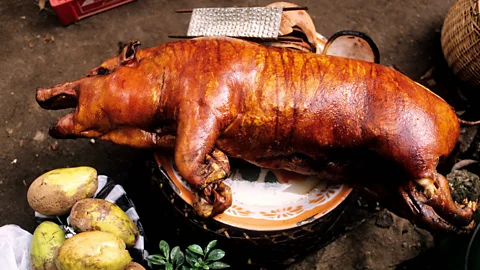
No culinary journey through Bali is complete without experiencing Babi Guling, or Balinese suckling pig. Our first stop is Warung Ibu Oka 3, the newest location of this legendary establishment.
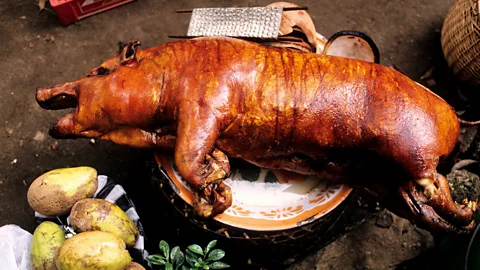
A close-up shot of the crispy skin of Babi Guling at Warung Ibu Oka, showcasing the golden-brown perfection and savory allure of this Balinese delicacy.
The magic of Babi Guling begins with the preparation. A whole pig is meticulously stuffed with basa gede, a complex and fragrant Balinese spice paste. This blend typically includes ingredients like turmeric, ginger, galangal, kencur (lesser galangal), garlic, shallots, chili peppers, coriander seeds, candlenuts, and shrimp paste. The pig is then roasted over a wood-fired spit, constantly basted with coconut oil to ensure the skin becomes irresistibly crispy.
The result is a symphony of textures and flavors. The crackling skin gives way to moist, flavorful meat infused with the aromatic spices. Each bite offers a unique combination of savory, spicy, and slightly sweet notes. Warung Ibu Oka 3, located at Jalan Tegal Sari No.2, Ubud, Kecamatan Ubud, Kabupaten Gianyar, Bali 80571, Indonesia, is often less crowded than the original locations, offering a more relaxed dining experience.
Jimbaran Bay Seafood: A Feast by the Sea
From the cultural heart of Ubud, we journey to the coastal paradise of Jimbaran Bay, famous for its fresh seafood restaurants lining the beach. Our destination is Menega Cafe, a popular spot for indulging in Ikan Bakar Bumbu Bali, grilled fish marinated in Balinese spices.

A scenic view of grilled seafood at Menega Cafe in Jimbaran Bay, highlighting the fresh catch and the picturesque beach setting.
What sets Jimbaran seafood apart is the grilling technique. The seafood is placed directly over hot coconut husks, imparting a smoky flavor that perfectly complements the fresh, natural taste of the fish. While there, be sure to try the Kepiting Asam Manis (sweet and sour crab). This dish features crab cooked in a rich, tangy sauce made with a unique blend of palm sugar, tamarind, and chili. The balance of sweet, sour, and spicy flavors is simply divine.
Menega Cafe, located at Jalan Four Seasons Resort, Jimbaran, South Kuta, Badung Regency, Bali 80361, Indonesia, prides itself on sourcing the freshest seafood daily from local fishermen. The importance of freshness cannot be overstated – it's what makes the Jimbaran Bay seafood experience so exceptional. The cost of this authentic Balinese food experience can vary but expect to pay around 500,000 IDR for two people.
Lawar Kuwir: A Klungkung Specialty
Venture off the beaten path to Klungkung, a region known for its traditional Balinese cuisine. Here, at Warung Sate Lilit Bu Made, you can experience Lawar Kuwir, a duck lawar that showcases the intricate flavors of Balinese cooking.
A plate of Lawar Kuwir at Warung Sate Lilit Bu Made, showcasing the colorful mix of minced duck meat, grated coconut, spices, and vegetables that make up this traditional dish.
Lawar is a traditional Balinese dish made by mincing meat, combining it with grated coconut, spices, and vegetables. Lawar Merah variations include duck blood, adding a rich, earthy flavor. At Warung Sate Lilit Bu Made, the duck meat is meticulously minced and combined with a fragrant blend of spices and freshly grated coconut. The restaurant also offers Sate Lilit, another Balinese specialty consisting of minced meat (often fish or chicken) mixed with spices and wrapped around a lemongrass stalk before being grilled. You can find this culinary treasure at Jl. Raya Besan No.6, Besan, Kec. Dawan, Kabupaten Klungkung, Bali 80761, Indonesia. You can also experience a Balinese food tour to learn to make Lawar.
Balinese Sweets: A Morning Treat at Pasar Sindhu
No culinary journey is complete without indulging in the local sweets. Head to Pasar Sindhu in Sanur in the morning to sample fresh Klepon and Bubuh Injin.
Klepon are glutinous rice balls filled with molten palm sugar. The rice dough is often colored with pandan leaves, giving it a vibrant green hue and a subtle, fragrant aroma. The balls are then coated with fresh grated coconut, adding a delightful textural contrast. The burst of warm, sweet palm sugar in your mouth with each bite is an unforgettable experience.
Bubuh Injin is a black glutinous rice pudding. The rice is cooked until it becomes soft and creamy, then served with coconut milk and a sprinkle of salt. The combination of the slightly sweet rice, the rich coconut milk, and the hint of salt creates a perfectly balanced and comforting dessert. Pasar Sindhu, located in Sanur, Denpasar, Bali, Indonesia, is a vibrant market where you can also find a variety of other Balinese snacks and ingredients. What local markets offer Balinese cooking ingredients? Pasar Sindhu is a great place to start.
Kopi Luwak: Ethical Coffee Exploration at Teba Sari Agrotourism
Explore the world of Kopi Luwak at Teba Sari Agrotourism near Ubud. While Kopi Luwak has gained international recognition, it's important to choose ethical and sustainable sources. Ethical kopi luwak plantation tour Ubud with civet welfare should be at the top of your mind when exploring.
Teba Sari Agrotourism, located at Banjar Kelingkung, Ceking, Tegalalang, Gianyar Regency, Bali 80561, Indonesia, focuses on shade-grown coffee cultivation practices that benefit local wildlife and the surrounding ecosystem. Beyond just civet welfare, their practices support biodiversity and promote a healthy environment. They emphasize the ethical sourcing practices and sustainability of their coffee production. This results in high-quality coffee and contributes to a more responsible and eco-friendly industry. How is Balinese Coffee Traditionally Prepared? At Teba Sari, you will see the traditional methods.
Canang Sari: An Integral Part of Balinese Culture
Understanding the cultural context of Balinese cuisine adds another layer to your culinary journey. The Canang Sari, a daily offering made by Balinese Hindus, embodies the island's deep connection to spirituality and gratitude.
The Canang Sari is a small, intricately arranged offering made of woven palm leaves, flowers, incense, and food items. Each component holds symbolic meaning. The porosan (betel leaf offering) represents self-sacrifice, the sampian uras (woven base) represents the cycle of life, and the placement of money on top represents wealth and prosperity.
The Canang Sari is a daily expression of gratitude for the rice harvest and overall balance in life. It is placed in temples, homes, and businesses as a gesture of devotion and respect for the Gods.
Cultural Considerations for Travelers
When exploring Balinese cuisine, it's essential to be mindful of local customs and traditions. When visiting temples or participating in ceremonies, dress modestly, covering your shoulders and knees. It's also important to respect local customs and avoid public displays of affection. Remember that the left hand is considered unclean in Balinese culture, so use your right hand when giving or receiving items. Always ask for permission before taking photos of people, and be respectful of religious sites and practices. By showing respect for Balinese culture, you'll enrich your travel experience and foster positive interactions with the local community.
Conclusion: Savoring the Flavors of Bali
A culinary journey through Bali is an unforgettable experience that engages all the senses. From the rich flavors of Babi Guling to the fresh seafood of Jimbaran Bay and the delicate sweetness of Balinese desserts, the island offers a diverse and exciting range of culinary delights. By exploring local markets, visiting sustainable coffee plantations, and learning about the cultural significance of food, you can gain a deeper appreciation for the essence of Balinese gastronomy. So, pack your bags, prepare your taste buds, and embark on a culinary adventure through the Island of Gods. Explore Balinese rice terraces and local cuisine for a truly immersive experience. What are the ingredients in Bumbu Bali? Find out at one of the local cooking classes.
Video Direction Brief (Babi Guling at Warung Ibu Oka 3)
Focus: Showcase Balinese cuisine by highlighting the preparation and cultural significance of Babi Guling at Warung Ibu Oka 3.
Framework: Hook + Scene + Twist
- Hook: A close-up shot of the crackling skin of Babi Guling being expertly carved with a traditional Balinese knife, steam rising in a golden light.
- Scene: A time-lapse of the entire Babi Guling preparation process, from stuffing the pig with basa gede to the roasting over a wood-fired spit, emphasizing the constant basting with coconut oil. The scene transitions to shots of busy cooks working rapidly but skillfully, shot documentary-style.
- Twist: A quick cut to the smiling face of an elderly Balinese woman (a regular customer) as she takes her first bite, followed by a montage of diverse customers (locals and tourists) enjoying the dish with pure joy.
Viral Elements:
- Surprise: The sheer speed and skill of the Balinese cooks preparing the Babi Guling.
- Clarity: Clear focus on the food and the cooking process.
- Emotion: Evokes joy, cultural curiosity, and appetite.
- Visual Style: High-quality cinematic, vibrant colors, and golden lighting to emphasize the richness of the food.
Technical Specifications:
- Camera Work:
- Rapid time-lapse during the preparation phase.
- Dramatic close-ups of the ingredients and cooking process.
- Slow-motion shot of the knife carving the Babi Guling.
- GoPro POV shots of the cooks working.
- Lighting:
- Golden hour lighting for the finished dish to enhance its visual appeal.
- Warm, inviting lighting to create a welcoming atmosphere.
- Composition:
- Low-angle shots to emphasize the size and impressiveness of the Babi Guling.
- Shallow depth of field to focus on key details like the crackling skin.
- Wide shots to capture the bustling atmosphere of Warung Ibu Oka 3.
- Quality: Cinematic 4K, shot on RED or similar high-end camera.
Pacing & Structure:
- Start in medias res with the carving of the Babi Guling.
- Pack the punch early with a visually stunning shot in the first 1-3 seconds.
- Use action words: "Rapidly", "bursting", "constantly", "expertly"
- Focus on ONE main idea: The artistry and deliciousness of Babi Guling.
Avoid:
- Slow build-ups or drawn-out setup phases.
- Generic terms ("nice," "good," "interesting").
- Multiple unrelated concepts.
- Missing the emotional payoff (joy of eating).