A Bite Out of Transylvania: More Than Just Fangs...
Cluj-Napoca. Even the name sounds…uninspired. I arrived under a grey, overcast sky, the airport's sterile modernity immediately clashing with the distant spires of the city. And the Dracula ephemera? Predictable. T-shirts, plastic fangs, "authentic" vampire hunting kits – Honestly, I question whether this region offers anything beyond such cheap thrills. My first culinary foray did little to assuage my skepticism: "Pizza Cluj," a neon-lit abomination, promised much and delivered…cardboard. The "pizza," if one could call it that, was dry, flavorless, and distinctly lacking in anything resembling inspiration. The neon lights buzzed discordantly, fueling my skepticism with each lukewarm bite. My ten days in Transylvania started with the question: will this be a trip filled with forced smiles and tourist traps, or is there a culinary soul worth uncovering beneath the vampire schtick?
Sighisoara: A Medieval Awakening?
Sighisoara. At least it looked promising. The Medieval Festival was in full swing, and I must admit, the air was thick with an aroma that piqued my interest: woodsmoke and roasting meat. Forget the plastic fangs; this smelled authentic, even if the "authentic" was being marketed for a premium.
The jousting tournament, predictably theatrical, was nonetheless impressive. The clang of steel on steel under the harsh midday sun, the colorful banners flapping in the wind, the crowd roaring… It was enough to briefly distract me from the lingering taste of Pizza Cluj. I wandered past artisan workshops, finding myself captivated by a weathered woodcarver. His hands, calloused and skilled, moved with surprising grace, creating intricate designs of dragons and knights on a wooden chest. The warm, golden light streamed through the workshop window, illuminating his dedicated craft.
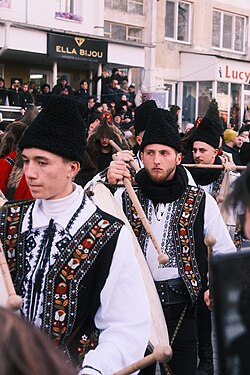
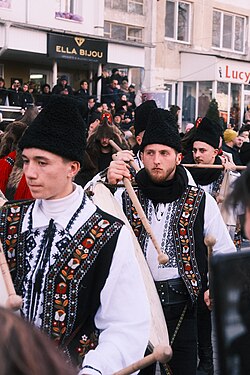
Later, as dusk settled, the traditional music began. Musicians, dressed in garb that looked genuinely historical (or at least convincingly so), played on cobza, a Romanian lute. The flickering torchlight added to the atmosphere, even if I suspected some of the revelers had enjoyed one too many tankards of mead.
A Sweet Surprise: Kürtőskalács
And then, the kürtőskalács. Chimney cake. I approached the "Kurtos King" vendor with considerable skepticism. But the smell… caramelized sugar crackling, yeast rising… I succumbed. And I'm glad I did. Its simplicity, its honest sweetness, was… satisfying. The caramelized sugar crackled with each bite. I had to admit, the guy knew his cake. It was a small win for Transylvania.

Apis Mjöd: A Taste of the Dark Forest
I also sampled the mead from "Apis Mjöd" - specifically the "Dark Forest" variety. Mead isn't typically my drink of choice, but this was surprisingly complex. A subtle blend of honey and herbs, with a slightly gritty texture that spoke to its artisanal origins. The flavor profile was anything but one-dimensional. While it's unlikely to replace a good Bordeaux, it was a welcome change from the bland, mass-produced lagers that seem to plague this part of the world.

Beyond the Festival: Unique Transylvanian Experiences
Seeking to escape the tourist hordes, I ventured beyond Sighisoara, hoping to unearth something truly authentic.
Familia Popa's Honey Farm: A Sticky Revelation
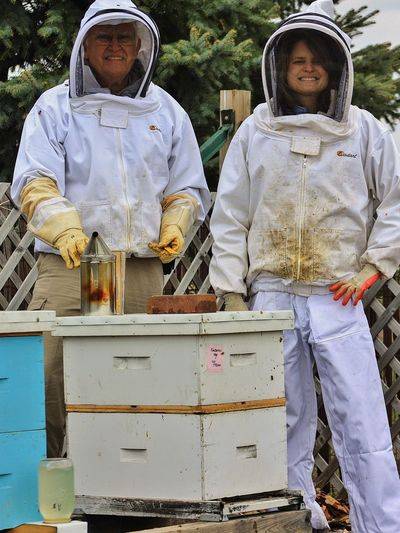
Familia Popa's local honey farm in the countryside proved to be a revelation. The sun-drenched fields buzzed with bees, a symphony of industry far removed from the artificiality of the festival. Old man Popa, a man whose raspy voice and twinkling eyes spoke volumes, showed me the traditional beekeeping practices. I learned about the intricate dance between bees and blossoms, the patience required to coax nature's sweetness.

And the honey… Oh, the honey. The acacia honey was light, floral, almost watery, a delicate whisper of sweetness. The wildflower honey, on the other hand, was darker, richer, with a hint of bitterness that lingered on the palate. Tasting notes? Acacia: Honeysuckle, pear, sunlight. Wildflower: Caramel, molasses, a hint of earthy bitterness that keeps it from being cloying. Both exceptional, both a testament to the care and dedication of Familia Popa. A far cry from the generic, processed honey one finds in most supermarkets.
Turda Salt Mine: Subterranean Surrealism
The Turda Salt Mine was an experience unlike any other. The lighting is artificial, certainly, but eerie, casting long shadows on the damp salt walls. The acoustics were bizarre – voices echoed and distorted in the vast chambers, creating a disorienting, almost otherworldly effect. And the amusement park? A Ferris wheel turning slowly against the backdrop of the mine's raw, geological formations? Surreal doesn't even begin to cover it. While the historical significance of the mine is undeniable, the damp chill in the air serves as a constant reminder of the labor that extracted wealth from this underground realm.

Escape Room Dracula: A Necessary Evil?
Reluctantly, I agreed to participate in the "Escape Room Dracula" (located at Strada Republicii 23, Brașov). In Brasov, I experienced a vampire-themed escape room. I entered with grim resignation. Dimly lit, with cobwebs and faux bloodstains, the atmosphere was… predictable. The puzzles were equally predictable. Garlic, coffins, cryptic symbols… I confess, I rolled my eyes more than once. And yet… I found myself begrudgingly enjoying the campy horror. I won't deny a slight smile escaped my face as I unlocked a wooden box that held the "secret to killing Dracula". The garlic? I'd rather eat the sarmale.

Culinary Discoveries: Beyond the Kitsch
Transylvania's culinary scene, thankfully, extends far beyond vampire-themed menus.
Casa Wagner (Sighisoara): A Taste of Tradition
Casa Wagner in Sighisoara offered a much-needed dose of authenticity. The ambiance was rustic and charming, with heavy wooden tables and candlelight casting a warm glow. The service was attentive but unhurried, allowing me to savor each course.
I started with the mămăligă cu brânză și smântână. Creamy, comforting, the polenta perfectly cooked, the cheese sharp and tangy, the sour cream adding a welcome richness. It was a dish that spoke of simple pleasures, of generations of cooks perfecting a humble staple.

Next, the sarmale. Cabbage rolls, a staple of Romanian cuisine. These were exceptional. The balance of flavors was perfect – the savory meat, the slightly sour cabbage, the hint of herbs. The meat was tender, the cabbage perfectly cooked.

Finally, the gulaș. Rich, hearty, with a generous serving of paprika. The beef was tender, the sauce thick and flavorful. A perfect dish for a cold Transylvanian evening.

Rating: 3.5 out of 5 stars. The mămăligă and sarmale were exceptional, the gulaș solid. The ambiance was charming, the service attentive. My only criticism? Perhaps a touch too much paprika in the gulaș.
Local Wines and Beers: A Toast to Transylvania
No culinary journey is complete without sampling the local libations. I sampled Fetească Neagră from Dealu Mare region. Its dark fruit flavors and earthy undertones reminded me of a lighter-bodied Bordeaux. A good pairing with the sarmale. Ursus Premium, a crisp, refreshing lager, proved to be a decent alternative to the ubiquitous European brands that seem to dominate the region. It was a solid option on a hot day.

Landscapes and People: The Heart of Transylvania
Transylvania is more than just food and folklore; it's a land of dramatic landscapes and warm, welcoming people.
The Carpathian Mountains: A Land Shrouded in Mist
The Carpathian Mountains are stunning. The dense forests, the visibility limited by mist, the steep slopes. It's a landscape that evokes a sense of mystery and adventure. The weather adds to the drama, often providing stormy skies.

Bran Castle and Corvin Castle: Legends in Stone
Bran Castle, with its imposing silhouette against the setting sun, is undeniably striking. However, the tour was crowded with tourists, and the interiors were surprisingly sparse. Corvin Castle, on the other hand, was more imposing and gothic, its drawbridge creaking ominously, the courtyard echoing with the sound of ravens. Much more dramatic.


Encounters with the Locals
I met a shepherd tending his flock in the mountains, his weathered face etched with the wisdom of the hills. We shared a brief but memorable conversation about the changing seasons and the challenges of rural life. I also found myself sharing a shot of palincă (fruit brandy) with a group of villagers at a local pub. Their warmth and hospitality were genuine, a reminder that the heart of Transylvania lies not in its legends, but in its people.

A Second Bite?
Transylvania is, undeniably, more than just fangs. It's a region of rich history, stunning landscapes, and, most importantly, a vibrant culinary culture. Look beyond the vampire stereotypes, and you'll discover a world of authentic experiences waiting to be explored. While my initial skepticism remained well-founded, I came away impressed by the region's unique heritage.
Ready to take your own bite out of Transylvania? Discover authentic Transylvanian cuisine and immerse yourself in the region's cultural heritage with Transylvania Culinary Tours, a local tour operator specializing in immersive culinary experiences.
Have you had any unexpectedly wonderful travel experiences? Share them in the comments below!